Every credit we broker, explained properly
Rates, deadlines, what actually qualifies, and the documents a buyer should see before signing. Eight federal credits, one page, each anchored so you can go straight to the one you need.
General information on federal tax provisions, current as of October 2026. Not tax advice. Confirm current rates, deadlines, and eligibility with your tax advisors before relying on any figure here.
Investment Tax Credit
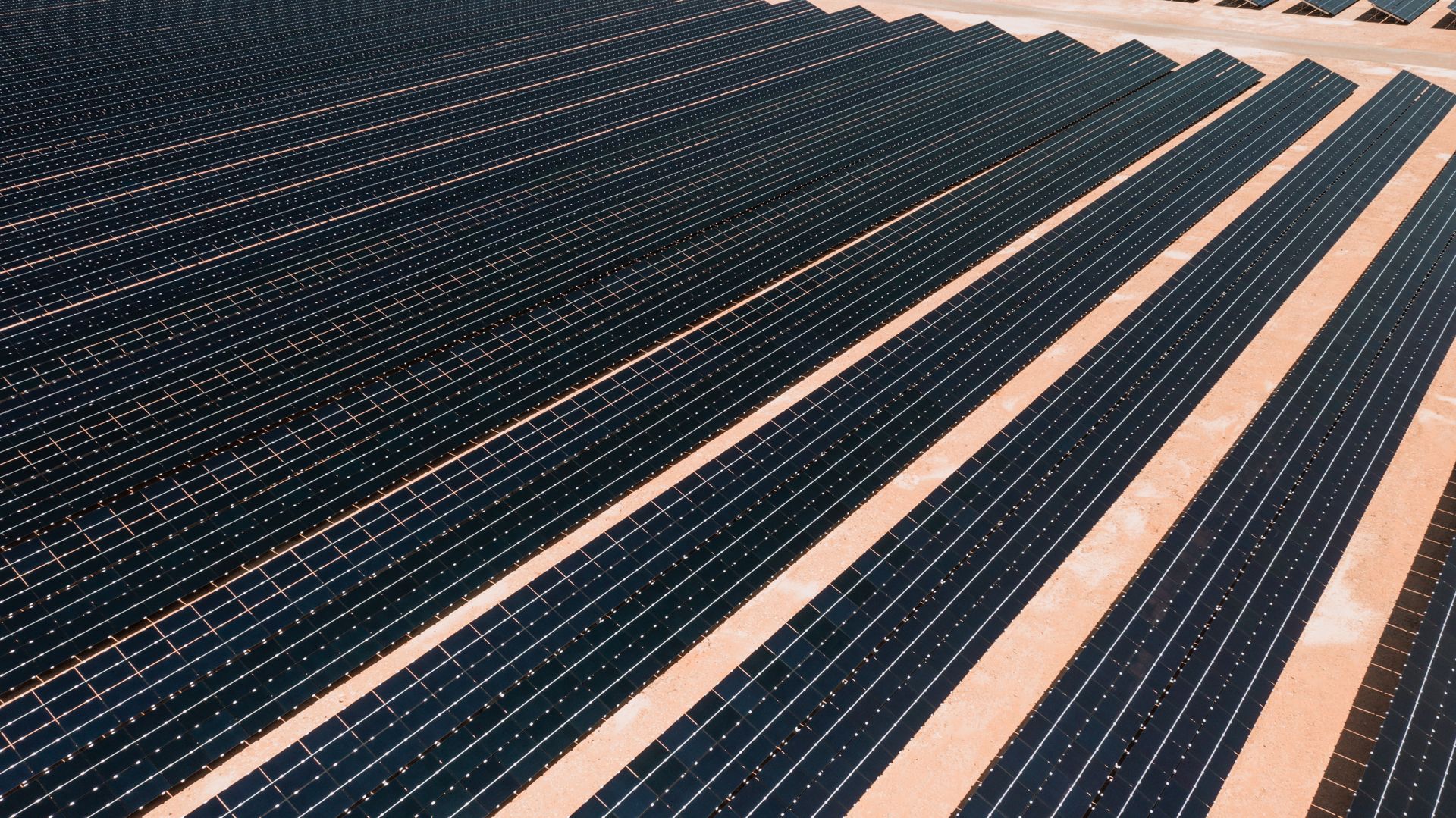
The workhorse of the market. A percentage of qualified project cost rather than a percentage of output, which makes it the deepest and most liquid credit in the transfer market. Most developers choose between the ITC and the PTC on a single project, and the choice is permanent.
At a glance
- Base credit
- 30%
- Potential adders
- Domestic content 10% · Energy communities 10%
- Measured on
- Qualified basis
- Claimed
- Year placed in service
- Recapture window
- 5 years
- Transfer
- One-time, §6418
What qualifies
- Solar photovoltaic and solar thermal
- Stand-alone energy storage (no generation required)
- Onshore wind where the legacy §48 construction test is met
- Geothermal, fuel cells, microturbines, and combined heat and power
- Landfill gas, hydro, and marine and hydrokinetic generation
The diligence file
- Cost segregation study and substantiated basis schedule
- Placed-in-service evidence: certificates, commissioning records, interconnection approval
- When applicable, certified payroll and apprenticeship records for every contractor and subcontractor
- When applicable, domestic content certifications with supplier traceability
- When applicable, energy community tract determination and census-tract documentation
- Ownership and lease structure, partnership agreements, and any tax equity documents
- IRS pre-filing registration number and the §6418 transfer election documentation
Advanced Manufacturing Production
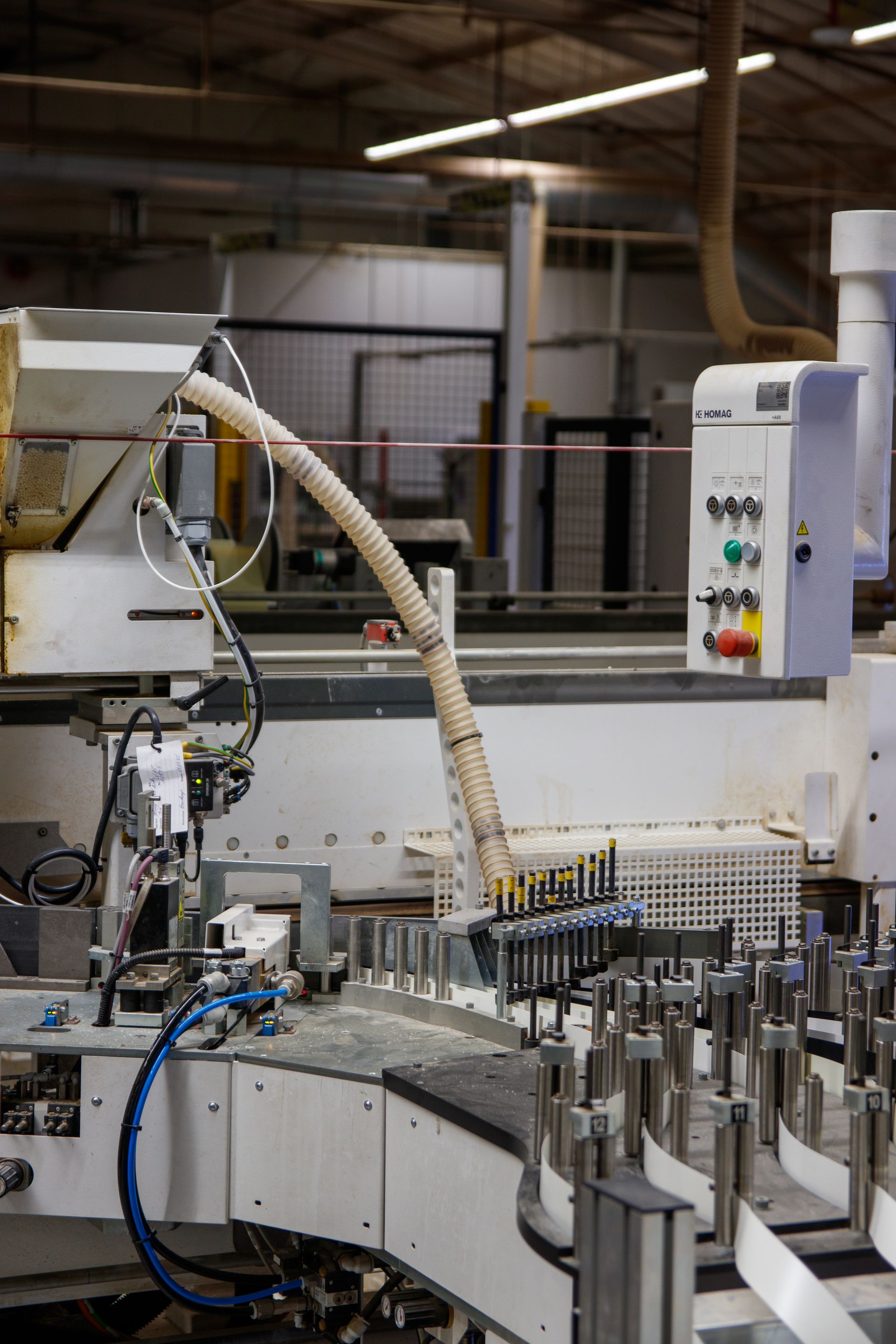
The only major credit that requires no project. It is earned on units produced and sold to an unrelated buyer, which is why it moves fastest of anything we broker — and why the transactions are simpler than other credit types.
At a glance
- Solar modules
- $0.07 / W-DC
- Battery cells
- $35 / kWh
- Commercial inverters
- $0.02 / W-AC
- Wind, DC motors, minerals
- Statutory rates
- Measured on
- Units produced & sold
- Project required
- No
- Transfer
- One-time, §6418
What qualifies
- PV cells, modules, laminates, and backsheets
- Wind blades, towers, nacelles, and foundations
- Battery cells and modules
- Commercial inverters and DC motors
- Applicable critical minerals, including metallurgical coal
The diligence file
- Production records reconciled to units actually sold in the period
- Cost-of-production substantiation where the credit is cost-based
- Component eligibility attestations against the statutory list
- Supply-chain traceability supporting the material-assistance cost-ratio test
- Sales contracts confirming the buyer is unrelated
- Documentation of any safe harbor relied on for foreign-entity compliance
Production Tax Credit
Paid on electricity actually generated and sold, over a ten-year period, rather than on capital spent. That makes it a stream rather than a lump sum — and makes metered output, not just paperwork, the thing a buyer diligences.

At a glance
- Statutory base
- 0.3 ¢/kWh
- With PWA
- 1.5 ¢/kWh
- Inflation-adjusted
- Annually
- Credit period
- 10 years
- Measured on
- Metered generation
- Recapture window
- 5 years post-term
- Transfer
- One-time, §6418
What qualifies
- Onshore and offshore wind
- Geothermal and biomass
- Small wind, marine and hydrokinetic
- Municipal solid waste and incremental hydro
- Zero-emission generation under §45Y where §45 is closed
The diligence file
- Metered generation records with independent verification and settlement statements
- The one-time election between §48 investment credit and §45/45Y production credit, and its irrevocability
- Ten-year accrual schedule showing the credit remaining in each vintage year
- Prevailing wage and apprenticeship documentation across the construction period
- Confirmation that storage co-located at the facility is not separately claimed
- Current-year inflation adjustment pulled from the IRS annual notice, not a prior-year figure
Carbon Oxide Sequestration
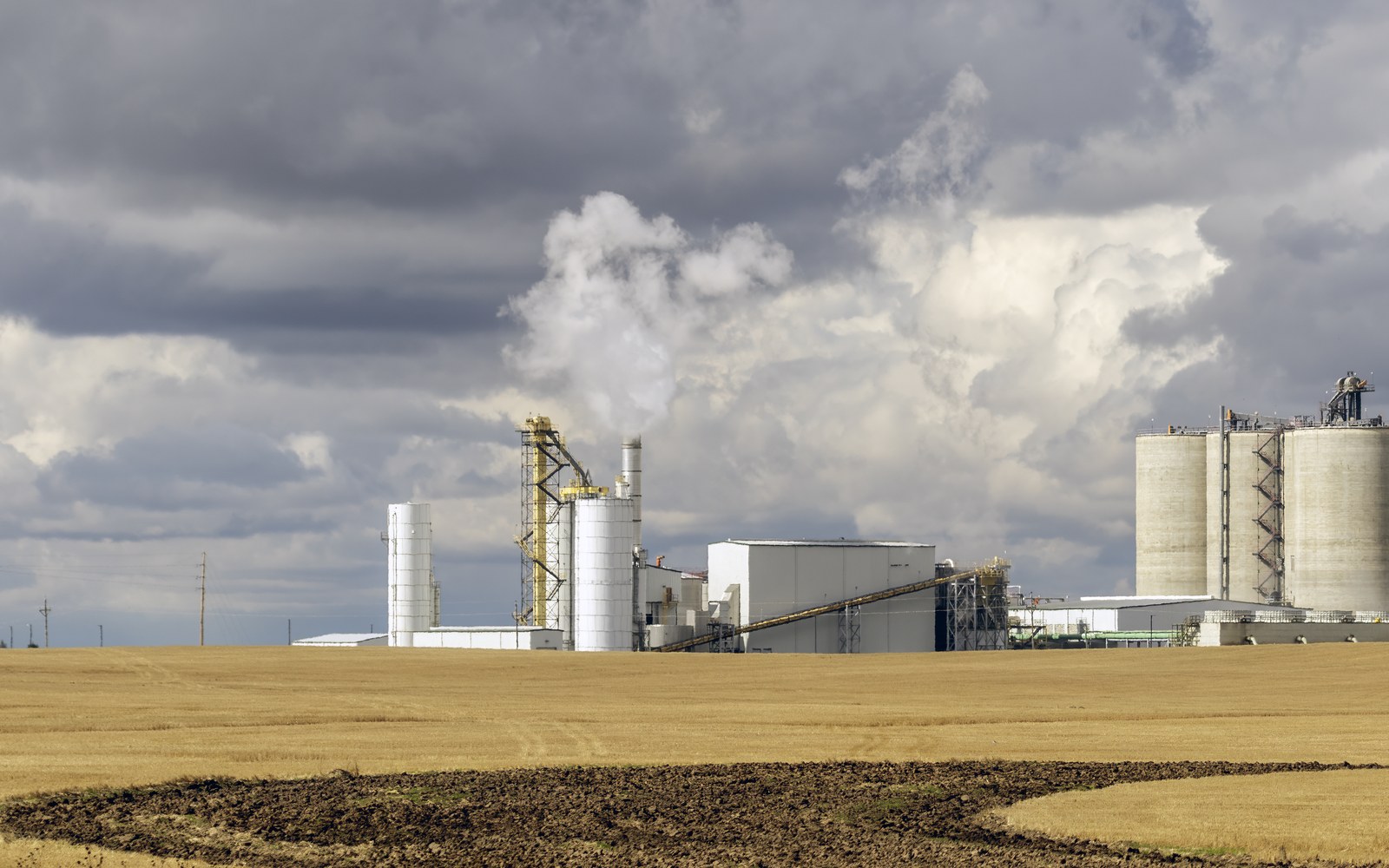
Paid per metric ton of carbon oxide captured and permanently stored or put to beneficial use. The largest deal sizes in the market, the longest exposure period, and the diligence file that most rewards a buyer who reads the measurement plan before the term sheet.
At a glance
- Sequestration (PWA)
- $85 / ton
- Utilization & EOR (PWA)
- $85 / ton
- Direct air capture (PWA)
- $180 / ton
- Non-PWA (CY2026)
- $29.28 / $14.64
- Credit period
- 12 years
- Minimum capture
- 12,500 / 18,750 / 1,000 t
- Construction start
- Before 2033
- Transfer
- One-time, §6418
What qualifies
- Post-combustion capture at power generating units
- Industrial CCUS — ethanol, cement, steel, chemicals, refining
- Direct air capture
- Geologic sequestration and enhanced oil recovery
- Beneficial use where statutory tonnage thresholds are met
The diligence file
- Capture verification plan with mass-balance methodology and third-party measurement
- Sequestration site characterization, well permits, and pore space rights
- Injection and storage operator agreements, and the long-term monitoring plan
- MRV reporting that ties tons claimed to tons physically verified
- Prevailing wage and apprenticeship records — the difference between $29.28 and $85 per ton
- Confirmation the facility met the construction-start test and the placed-in-service date
Clean Hydrogen Production
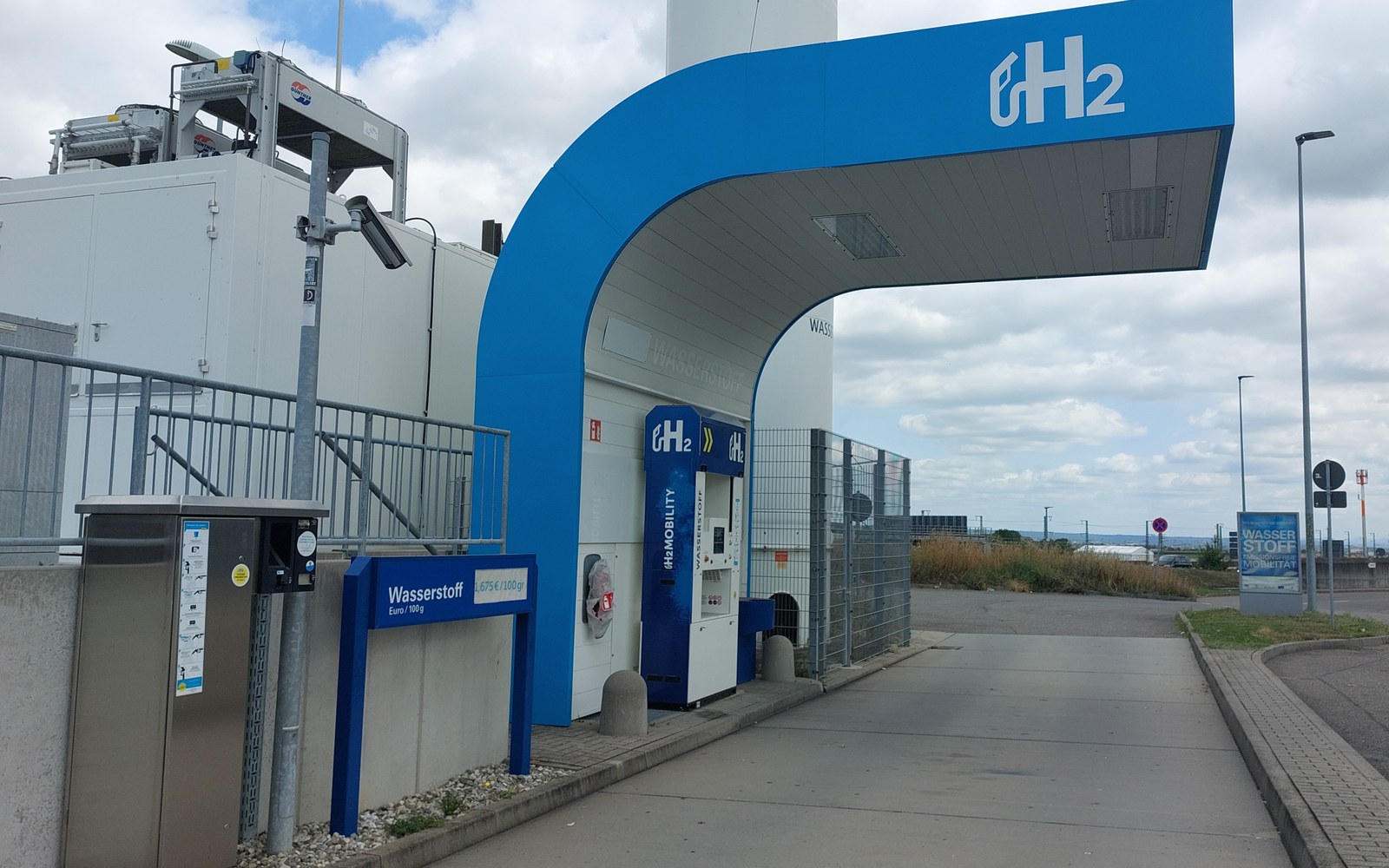
The only credit whose rate is set by a lifecycle emissions model. The same kilowatt hour of electrolysis can earn three dollars per kilogram or nothing at all, depending on how the carbon intensity is calculated and documented. That is where deals are won and lost.
At a glance
- Statutory base
- $0.60 / kg
- Cleanest band, with PWA
- up to $3.00 / kg
- Rate driver
- Lifecycle carbon intensity
- Credit period
- 10 years
- Construction start
- Before 2028
- Transfer
- One-time, §6418
What qualifies
- Electrolytic hydrogen meeting the three-ratio test
- Electricity matching under the additionality, deliverability, and temporal-matching rules
- Biomos-derived hydrogen meeting the lifecycle thresholds
- Zero-emission or negative-emission feedstock pathways
The diligence file
- Lifecycle GHG analysis run on the statutory model, with every input sourced and dated
- Electricity sourcing documentation and annualization records
- Three-ratio test calculations for each period claimed
- Production logs by kilogram, tied to the facility's metering
- Prevailing wage and apprenticeship documentation across construction and any alteration or repair
Clean Fuel Production
The successor to the blender incentives for most producers, and the credit that scales with how much carbon a fuel actually avoids across its lifecycle. It also has the shortest runway of any credit we broker, which is exactly why sellers are moving now.
At a glance
- Base rate
- $0.20 / gal
- With PWA
- $1.00 / gal
- Full rate requires
- ≥50% GHG reduction
- Production window
- 2025–2029
- Special SAF rate
- Eliminated
- Feedstock origin
- US, Mexico, Canada
- Registration
- Form 637 at production
- Transfer
- One-time, §6418
What qualifies
- Diesel-equivalent and jet fuel
- Sustainable aviation fuel, at the standard rate
- Methanol, naphtha, toluene, and xylene
- Solid reference fuels and similar pathways
- Fuel produced after 2024 and sold by the end of 2029
The diligence file
- Lifecycle GHG calculation with the model version, feedstock pathway, and every input documented
- Feedstock sourcing records proving US, Mexico, or Canada origin
- Mass-balance records from feedstock receipt through fuel sale
- Form 637 registration in place at the time of production
- Fuel sale documentation and the buyer's position in the chain
- Prevailing wage and apprenticeship records where the multiplied rate is claimed
How a credit actually changes hands
Transferability replaced an entire intermediary industry. It is also a filing mechanic with a hard sequence, and getting it wrong is not a pricing problem — it is a credit that does not exist.
The mechanics
- Sales permitted
- One time only
- Payment form
- Cash
- Registration
- IRS pre-filing number required
- Registration timing
- Before the return is filed
- Excessive transfer penalty
- 20%
- Recapture lands on
- The transferee
- Buyer screening
- Foreign-entity tests now apply
- A transfer without a valid registration number is invalid — the buyer does not get the credit and the seller does not get a clean exit.
- Recapture follows the transferee by statute. The economics are reallocated by contract, which is why indemnity, escrow, and insurance terms carry the weight of the deal.
- Payment must be cash. The amount paid is not deductible by the buyer and is not income to the seller, which is the mechanic that makes a discount to face value possible.
- A prohibited foreign entity cannot be a transferee for credits subject to the foreign-entity rules. Buyer-side screening is now part of every closing checklist.
Which of these is on your desk?
Tell us the credit and the tax year and we will come back with pricing, supply, and the diligence list that applies.